Sanitation Standards: Why Stainless-Steel Pharma Equipment is Critical for Drug Safety

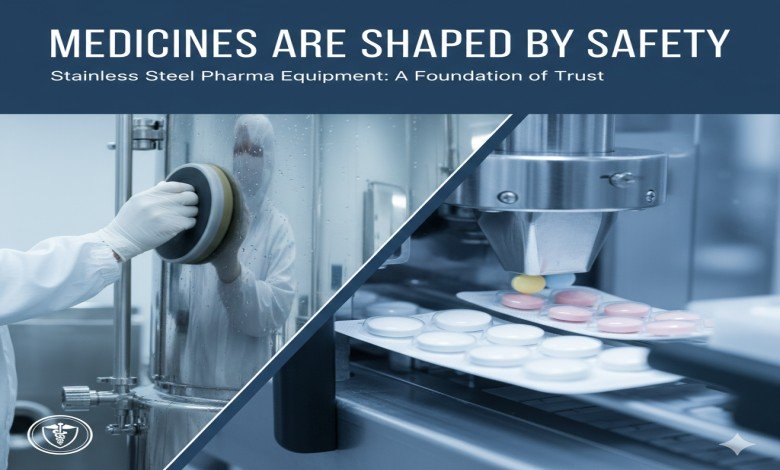
Medicines are shaped by safety long before packaging or shipping ever begins. What touches a drug during production can impact how safe and stable it remains. Sanitation standards keep these environments clean and controlled. Stainless steel pharma equipment makes cleanliness easier to maintain. It does not wear down quickly or trap residue. That reliability helps protect the product at every stage. Every safe dose reflects thoughtful material decisions designed to protect patients and maintain trust in modern treatments.
Drug Safety Depends on Controlled Sanitation Practices
Each capsule, tablet, or injection is passed through a variety of components before reaching the user. That contact directly shapes safety, purity, and consistency. Pharmaceutical equipment manufacturers put a heavy importance on hygiene because even tiny contamination risk can affect the whole batch. Steel pharma equipment that is stainless-steel based supports absolute hygiene right from handling raw materials to mixing, processing, and even storage. Its smooth, non-reactive surface helps maintain cleanliness throughout every stage.
Advanced Metal Fabrication techniques refine this material into precisely engineered components that eliminate crevices and weak points. Facilities today operate under tighter oversight and rising expectations around cleanliness and traceability. Sanitation standards now influence equipment design more than ever before. Stainless steel is important for this shift because it offers predictable performance, reliable cleaning results, and durability. It allows facilities to maintain high sanitation levels while protecting product integrity and patient safety.
Sanitation Standards Protect Purity and Consistency
Sanitation standards exist to protect you from contamination. They control residue buildup, microbial growth, and cross contact between batches. Equipment surfaces must clean easily and stay stable under pressure.
Modern standards emphasize repeated sterilization and cleaning cycles. The materials must withstand chemicals or heat as well as water without degrading. The stainless steel is able to meet these demands while maintaining the integrity of its surface. That reliability supports consistent batch quality and long-term safety.
Stainless Steel Supports Hygiene Through Material Behavior
Stainless steel resists corrosion during frequent cleaning. Its smooth surface prevents residue from sticking. Microbes struggle to attach or grow on properly finished steel.
Cleaning teams achieve predictable results with less effort. Equipment maintains performance despite chemical exposure. You benefit from medicines produced in controlled, hygienic environments. The material also handles temperature changes during sterilization without damage.
Stainless Steel Pharma Equipment Forms the Backbone of Production
Stainless steel pharma equipment supports nearly every production stage. Mixers, reactors, storage vessels, and transfer systems rely on its durability. Each component helps maintain sanitation during active processing.
The manufacturers of medical equipment select stainless steel due to durability over time. It reduces the time to repair and lowers the risk of contamination. Modern design features seamless joints, as well as sleek contours. They remove the hidden residue zones and increase the ease of cleaning.
Metal Fabrication Quality Directly Affects Sanitation Outcomes
Metal Fabrication molds stainless steel into precisely designed shapes for equipment. Fabricators focus on welding quality, surface finishing, and structural stability.
Poor fabrication creates crevices and stress points where residue hides. High quality Metal Fabrication avoids these issues through smooth transitions and polished surfaces. Consistent fabrication supports reliable cleaning cycles and predictable hygiene results across facilities.
Material Stability Ensures Effective Cleaning Cycles
Sanitation requires frequent and aggressive cleaning. Equipment faces steam, pressure, and strong chemicals daily. Stainless steel maintains structure under these conditions without warping or reacting.
Other materials may degrade, absorb residues, or release particles. Stainless steel avoids those risks. Its stability protects product integrity and reduces maintenance interruptions. You receive medications produced through dependable systems.
Resistance To Contamination Supports Patient Safety
Contamination threatens safety at every stage of production. Surface damage increases that risk. It also resists corrosion when properly maintained.
That resistance limits bacterial shelter points. Cleaning teams access every surface easily. Sanitation standards remain effective because the material behaves predictably. You gain protection through controlled hygiene practices.
Long Term Durability Balances Safety and Efficiency
Durable materials support long term planning. Stainless steel reduces replacement frequency and unexpected failures. That durability lowers exposure to contamination risks over time.
Pharmaceutical equipment manufacturers value this balance between safety and efficiency. Operational stability improves without sacrificing hygiene. You benefit from systems designed to perform reliably year after year.
Evolving Manufacturing Expectations Favor Stainless Steel
Drug formulations continue to evolve. Sensitive compounds require tighter controls and cleaner environments. Sanitation standards adapt to meet these challenges.
Stainless steel supports new processes without major redesigns. Its versatility allows equipment to remain compliant as production methods change. Manufacturers prepare for future demands while protecting present safety.
Material Choices Quietly Build Trust in Medicine
Trust in medicine depends on decisions you never see. Material selection represents one of the most important choices. Stainless steel supports transparency, accountability, and consistent sanitation.
Sanitation standards exist to protect you. Reliable equipment honors that responsibility. Stainless steel plays a quiet but critical role in safeguarding health.
Conclusion
Every safe dose reflects thoughtful material decisions made long before production begins. Sanitation standards guide those choices daily, shaping how facilities protect purity and consistency. Stainless steel pharma equipment helps to maintain cleanliness through its seamless surfaces, resistance to corrosion and reliability during multiple clean cycles. Its durability helps maintain stable production environments over time.
With precise Metal Fabrication as well as careful engineering of the equipment, sanitation remains constant throughout batches. Pharmaceutical equipment manufacturers continue to rely on stainless steel as security of the patient is contingent on materials that maintain cleanliness, minimize risk of contamination, and help to build faith in modern pharmaceutical manufacturing processes.
FAQs
Why stainless-steel matters in pharma?
Stainless steel supports hygiene through smooth surfaces and corrosion resistance. That behavior limits contamination risks and protects drug purity for you.
How sanitation standards protect drug safety?
Sanitation standards control residue and microbial growth. They ensure equipment stays clean during repeated production cycles.
What helps stainless steel stay sanitary over time?
Stainless steel handles repeated cleaning without breaking down. It stays smooth, resists corrosion, and does not give residue a place to hide. That consistency makes sanitation feel dependable, not uncertain.
Where does metal fabrication improve hygiene?
Metal Fabrication improves weld quality and surface finish. That precision removes hidden residue areas and supports efficient sanitation.
How materials influence trust in medicine?
Stable materials maintain hygiene over time. You trust medicines more when equipment supports safety without degradation.