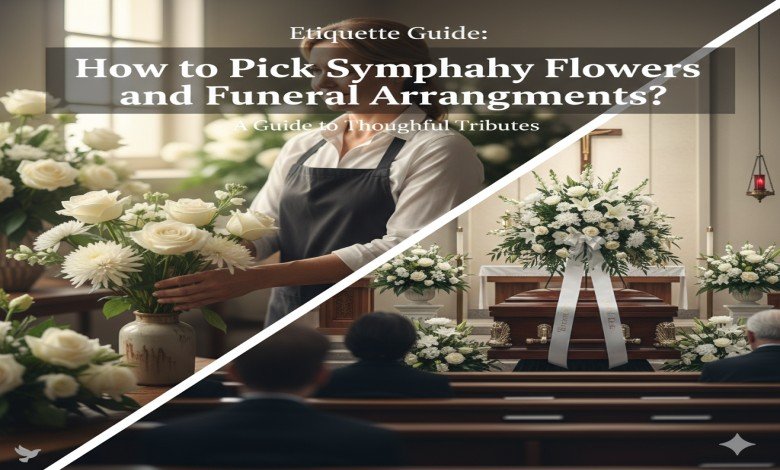
Grief changes daily life. Conversation is often replaced by silence as routine gestures start to have a deeper significance. During such moments, sympathy flowers become more than decoration. They serve as quiet companions during gatherings shaped by remembrance and reflection. Within the first days of loss, many people turn to the best florist for reassurance and guidance. A carefully selected flower for sympathy communicates empathy without pressure or expectation.
Flowers used in a funeral or memorial ceremony require emotional understanding. The significance of tradition, symbolism, and time of day all impact the way flowers are displayed and how they are felt. When guided by understanding and care, sending funeral flowers becomes an act of presence rather than obligation. Flowers then speak softly, offering comfort without demanding response.
Why Sympathy Flowers Hold Lasting Meaning
Flowers have long held space in moments of transition. Their presence feels natural during ceremonies that honor life while acknowledging loss. Sympathy flowers soften structured environments and bring warmth to formal settings. During a memorial service, floral displays often become shared points of focus, offering visual calm amid emotional weight.
For grieving families, flowers often feel reassuring in subtle ways. They reflect shared care without expectation of conversation. A simple floral arrangement can remind families that support exists beyond spoken words. Even after services end, flowers remain present during quieter days, offering continued comfort during a difficult time.
Understanding Funeral Flower Etiquette
Funeral flower etiquette is intended to prevent emotional resentments and not enforce strict guidelines. Etiquette is a way to ensure balance, time as well as cultural respect. Understanding these principles helps ensure your gesture feels thoughtful rather than overwhelming.
Traditionally, sending funeral flowers before a service allows arrangements to support shared mourning. Flowers arriving later often provide comfort during private moments. Both approaches remain meaningful when guided by intention. Subtle color palettes and restrained designs usually feel appropriate across many traditions.
Etiquette also considers placement and scale. Overly elaborate arrangements may distract rather than comfort. Modest designs often allow emotion to remain central. Respectful choices reflect care without drawing attention during moments of grief.
The Language of Flowers and Symbolism
Flowers communicate through symbolism shaped by tradition and memory. White flowers often represent peace, remembrance, and quiet respect. Their simplicity feels calming during emotionally charged gatherings. White roses commonly symbolize love, honor, and enduring connection. Their presence often feels gentle and sincere.
White chrysanthemums have a strong place for many religious and cultural ceremonies related to mourning. They are used in some cultures to represent grief and remembrance with great significance. Understanding these meanings helps ensure your sympathy flower aligns with shared expectations.
A well-balanced floral arrangement typically blends soft hues and natural greenery. This creates harmony and avoids visual apprehension.
Cultural and Religious Sensitivity
How people grieve is deeply tied to their culture and faith. The flowers they choose, their color, and arrangement, all comes from their traditions. Some beliefs call for quiet, minimal arrangements. Others use symbolic flowers to express emotions that words cannot.
Certain communities consider white chrysanthemums sacred during mourning. Others may avoid particular flowers entirely. When uncertainty exists, neutral white flowers usually feel respectful. A professional guidance is, however, important. The best florist near you will have knowledge about these nuances and can guide you appropriately, making you feel confident about your choice.
Choosing the Right Floral Arrangement
Different occasions require different ways of expressing. A formal funeral ceremony is typically served with wreaths or standing arrangements. Private homes or smaller gatherings benefit from simple designs. Every floral arrangement must complement the décor without overpowering it.
Balance remains essential. Size alone does not determine impact. Quiet elegance often provides the most comfort. Thoughtful arrangements support the atmosphere rather than dominate it. This approach reflects emotional intelligence during moments shaped by loss.
Adding Personal Touches with Care
Personal touches can bring warmth when handled gently. A short message often feels more sincere than elaborate wording. During formal services, simplicity supports respect. Brief sentiments allow emotion to remain central without distraction.
Names or small identifiers may add clarity. Avoid expressive language that shifts focus away from remembrance. For grieving families, understated gestures often feel most comforting. These thoughtful details often remain remembered long after flowers fade.
Timing and Delivery Considerations
Timing influences emotional impact significantly. Flowers delivered before a funeral service support collective mourning. Home deliveries after services offer continued comfort during quieter days. Both approaches remain appropriate when chosen thoughtfully.
Coordination matters as well. Understanding service logistics prevents overcrowding and disruption. Thoughtful timing reflects awareness and care during a difficult time. Flowers then arrive as quiet support rather than interruption.
The Role of the Best Florist
Experience matters greatly during emotionally sensitive moments. The best florist understands unspoken concerns and emotional nuance. Listening carefully allows intentions to translate into respectful design. Guidance rooted in empathy provides reassurance when decisions feel heavy.
Clear communication ensures arrangements align with traditions and expectations. Florists often help balance symbolism, scale, and tone. That steady guidance brings comfort during moments shaped by uncertainty and grief.
Supporting Grieving Families Through Flowers
Flowers never replace presence, yet they offer steady emotional support. Flowers for sympathy acknowledge loss and are not a requirement or expectation. Grieving families are often overwhelmed by the personal and genuine gestures.
During a memorial service or quiet days afterward, flowers create visual softness and emotional balance. Their presence communicates care without requiring response. That gentle companionship often remains remembered long after services conclude.
Conclusion
When choosing sympathy flowers, you must have compassion, understanding of culture as well as thoughtful intentions. Knowing proper manner to use funeral flowers can ensure that the gesture you choose feels genuine and considerate. Through consideration of symbolism, time, ritual, and practice, the flowers become acts of affection and not a burden.
Each arrangement of flowers provides calm assistance during the difficult period. In the case of families grieving, they can provide a sense of peace that is steady and authentic. When you are in a moment shaped by grief, the flowers express peace and compassion. They honor life while allowing space for the grief.
FAQs
Why are sympathy flowers considered an appropriate gesture during times of loss?
Sympathy flowers provide comfort in times when words are difficult to locate. They show your love without the need for conversations or a response. Their presence can bring peace and comfort to the moments caused by grief. This makes an eloquent but thoughtful means of showing that you are there.
When is the right time to send sympathy or funeral flowers?
People often send flowers prior to the funeral ceremony to share the grief. Some prefer to deliver the flowers after the funeral service, when the family is home and can take a few quiet moments. The two options are both thoughtful if directed by intention and attention.
What types of flowers are most suitable for a funeral or memorial service?
Natural flowers with soft colors are often the most suitable options for memorial services. The flowers represent the peace of mind, memory, and reverence. Simple designs that are soft in color typically provide a sense of comfort while not drawing focus from what is happening.
How important is cultural or religious sensitivity when choosing funeral flowers?
The religious and cultural tradition plays an important part in the mourning rituals. Certain communities associate specific colours or flowers with mourning and others do not. In case you’re unsure, white neutral flowers and simple arrangements typically make you feel safe and secure.
How can a florist help when choosing sympathy flowers?
The best florist will understand the importance of emotional choices. They can guide you through the process of choosing symbolic meaning, the size of the arrangement as well as timing and traditional. They have the experience to ensure that the design is thoughtful, appropriate, and calming during a stressful moment.