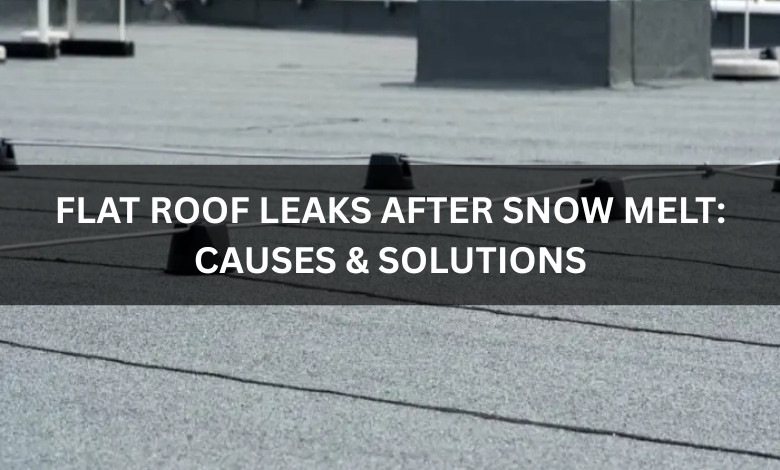
Most leaks don’t show up during winter. A flat roof leak after winter months usually shows up at the time when snow begins to melt. This is when the water gets trapped and ice begin to cause problems. As water don’t drain quickly, it accumulates and slowly moves into weak points. Minor issues that weren’t noticed are now difficult to avoid.
Why Winter Leaves a Mess Behind
You go through the entire winter without a problem. The roof holds up. No visible damage. Then spring shows up, and suddenly there’s a stain on the ceiling. That’s the classic flat roof leak after winter scenario.
It is usually the cycle of freeze-thaw. It melts during daytime but then it refreezes during the night. This continuous shift places stress on the roofing material. The water gets into small cracks, expands, freezes, making the cracks even more severe.
Flat roofs make things trickier. Water doesn’t run off quickly. It lingers, seeps, and slowly creates problems you don’t notice until it’s too late.
Why Flat Roofs Struggle After Snow Starts Melting
Flat roofs don’t behave like sloped roofs. Water doesn’t just slide off. It sits. That’s where problems begin.
After melting, the snow gets sprayed across the entire surface. If drainage isn’t appropriate, the water will accumulate in the low areas. This is where ponding water flat roof issues start to show up. The longer water stays, the more pressure it puts on the roofing system.
Ice also plays a role. It can block drains or form uneven surfaces. So even when melting begins, water doesn’t leave the roof easily. As time passes, the retained moisture weakens the membrane over time. This may not manifest immediate signs of damage, but it is slowly forming beneath.
What Really Causes Roof Leaks After Winter
- Ice Dams That Push Water Back Inside: Ice dams act like barriers. They develop when snow is refrozen near the roof’s edges or in the vicinity of drainage lines. There is no place for water to go. So, it moves backward. Instead of draining off, it seeps under the roofing layers. When it is inside, it expands slowly. When you realize that it is there, damage may have been done to ceilings or insulation.
- Drainage Systems That Can’t Keep Up: Flat roofs are heavily dependent on drainage systems. If drains become blocked by debris, snow, ice, or water can begin to accumulate. This leads to ponding water flat roof conditions that last for days. Sometimes the issue isn’t just blockage. A poor layout or a slope that isn’t adequate makes drainage difficult. A slight delay in the flow of water can lead to the chance of leaks in the course of time.
- Cracks and Weak Spots Hidden Under Snow: Winter hides problems. Minor cracks, loose seams, or old materials are hidden under the snow. It’s hard to see; however, they’re present. When temperatures change, the materials change in size and shape. This movement makes weak areas worse. When snow melts, water finds these openings quickly. That’s when leaks finally show up inside the building.
The Problem with Standing Water on Flat Roofs
Standing water is not safe. It’s one of the biggest reasons leaks develop. A ponding water flat roof situation means water stays in one place for long. This constant exposure weakens the protective membrane. Over time, the membrane breaks down the fabric and opens openings to water.
Perhaps you think a little splash of water is nothing. However, give it a couple of days and the puddle starts causing harm. In some cases, repeated ponding water flat roof issues can even affect the structure beneath. It adds weight and increases stress on the roof system.
Warning Signs You Shouldn’t Ignore After Winter
A flat roof leak after winter doesn’t always start with a drip. It often shows subtle signs first.
Watch for:
- Water stains
- Musty or damp odor
- Bubbles or blisters on roof surface
- Peeling paint or discoloration
- Sudden increase in humidity
These signs often appear slowly. It’s easy to ignore them at first. But they rarely fix themselves.
What’s the Right Way to Fix a Flat Roof Leak
Quick patches may prevent leaks for a short time. But they rarely solve real problems.
The correct fix begins with an examination. It is essential to determine the cause of the problem, not just the apparent damage.
A professional roof leak repair Toronto service usually checks:
- Drainage performance
- Membrane condition
- Seams and flashing
- Structural integrity
After evaluating the issue, they will suggest a lasting solution. Working with a reliable commercial flat roofing company makes a difference here. They don’t just fix the leak. They fix way it happened.
Preventing Leaks Before Next Winter Hits
Prevention always costs less than repairs. A few simple steps can save you from major issues:
- Schedule regular roof inspections
- Clear drains before winter starts
- Check for low spots or uneven surfaces
- Repair minor damage early
- Maintain waterproofing layers
A trusted commercial flat roofing company can help you set up a maintenance plan. So, you do not depend on guesswork.
There’s no need to accomplish all at the same time. Just be consistent.
The Reasons to Work with Experienced Professionals
Flat roofing appears easy on the exterior. But it requires proper management. Experienced teams understand how materials react to the weather. They know where problems usually start. And they have the right tools to handle them.
Working with trusted flat roofing contractors in Toronto means fewer surprises later. They don’t rely on temporary fixes.
If you’re dealing with ongoing issues, professionals in flat roofing Toronto bring both experience and practical solutions. It’s how you can avoid problems that come back each year.
Conclusion
A small leak rarely stays small. A delayed roof leak repair Toronto job can lead to structural damage, higher costs, and unnecessary stress. It’s always better to act early.
A dependable commercial flat roofing company provides you with peace of mind. The problem is identified and you can resolve it correctly.
The teams of trusted flat roofing contractors in Toronto take care of issues using a view of the future. This safeguards your home throughout the year.
Contacting a reputable company, like Province Wide Commercial Roofing (PWCR) is the right step to move if you want to get reliable results. These firms not only focus on quick fixes but on enduring solutions as well.
FAQs
What causes a flat roof leak after winter?
A flat roof leak after winter is typically because of melting snow, the accumulation of ice, and inadequate drainage. Small cracks are created in freeze-thaw cycles. Roofs with flat surfaces hold more water; this increases the likelihood that leaks will develop when temperatures increase.
How does ponding water damage a flat roof?
A ponding water flat roof occurs when water sits on one spot for an excessive amount of time. It weakens the roof membrane, raises pressure, and gradually leads to leaks. As time passes, the process may cause harm to the roofing substrate and the building beneath it.
Can I fix a flat roof leak myself?
It is possible to try temporary fixes however they are not guaranteed to last. A majority of leaks are caused by deeper concerns like damaged membranes. A proper inspection can help find the source of the problem and take the right steps to prevent recurring issues.
How often should flat roofs be inspected?
Try to look over your flat roof two times a year. In the winter months and after the snow melts. Routine checks can help reach minor issues earlier and prevent the possibility of costly repairs later on.
When should I call a roofing professional?
Those small signs, like stains or damp air, are easy to brush off. But they usually mean something’s going on. Getting it checked sooner helps you avoid bigger repairs later. Call a roofing professional immediately as you notice signs of damp smells or water stagnant. Quick actions prevent serious damages and overlooking repairs and lead to more expensive repairs.